London Climate Action Week. London Heatwave. You Couldn't Make It Up.
As we come to the end of London Climate Action Week and, hopefully, the end of the UK's second heatwave of the year, it's tempting to simply be grateful that the unbearable temperatures have eased a little and we can finally breathe again.
But perhaps that's exactly what we shouldn't do.
This week has been an undeniable reminder that climate change isn't a distant threat. It's already impacting the way we live, work and do business.
Across the UK and Western Europe, this week’s heatwave has disrupted everyday life on a remarkable scale. Schools closed or shortened the day because classrooms became dangerously hot. Hospitals declared critical incidents as cooling systems failed, MRI scanners and radiotherapy machines stopped working, and A&E departments dealt with rising numbers of patients suffering from dehydration and heat-related illness. Rail services slowed, construction sites changed working hours, farmers moved to night shifts to protect workers and reduce wildfire risk, and even cultural landmarks were forced to close.
And of course, during London Climate Action Week itself, an event on extreme heat at the London School of Economics had to be cancelled because the venue had become too hot.
Scientists continue to warn that as global temperatures rise, extreme weather events such as heatwaves, flooding and drought will become more frequent and more intense. Europe is already warming at more than twice the global average, while global heat-related deaths have increased by 23% since the 1990s. The UK's Climate Change Committee estimates that around £11 billion of adaptation investment is needed every year if we're to build the resilience our communities, infrastructure and businesses need.
In this somewhat frightening moment, we can choose to look away, or we can choose strength, resilience and togetherness.
The conversations at this year's London Climate Action Week reflected exactly that. 75,000 people gathered across 1,300 events to discuss practical solutions, partnerships and innovations that can help societies adapt while accelerating climate action.
UN Secretary-General António Guterres told delegates at LCAW’s Climate and Development Finance Forum 2026, “Together, let’s ensure that resilience becomes the foundation for a safer, more secure and more sustainable future. And that resources are made available for that to be possible”.
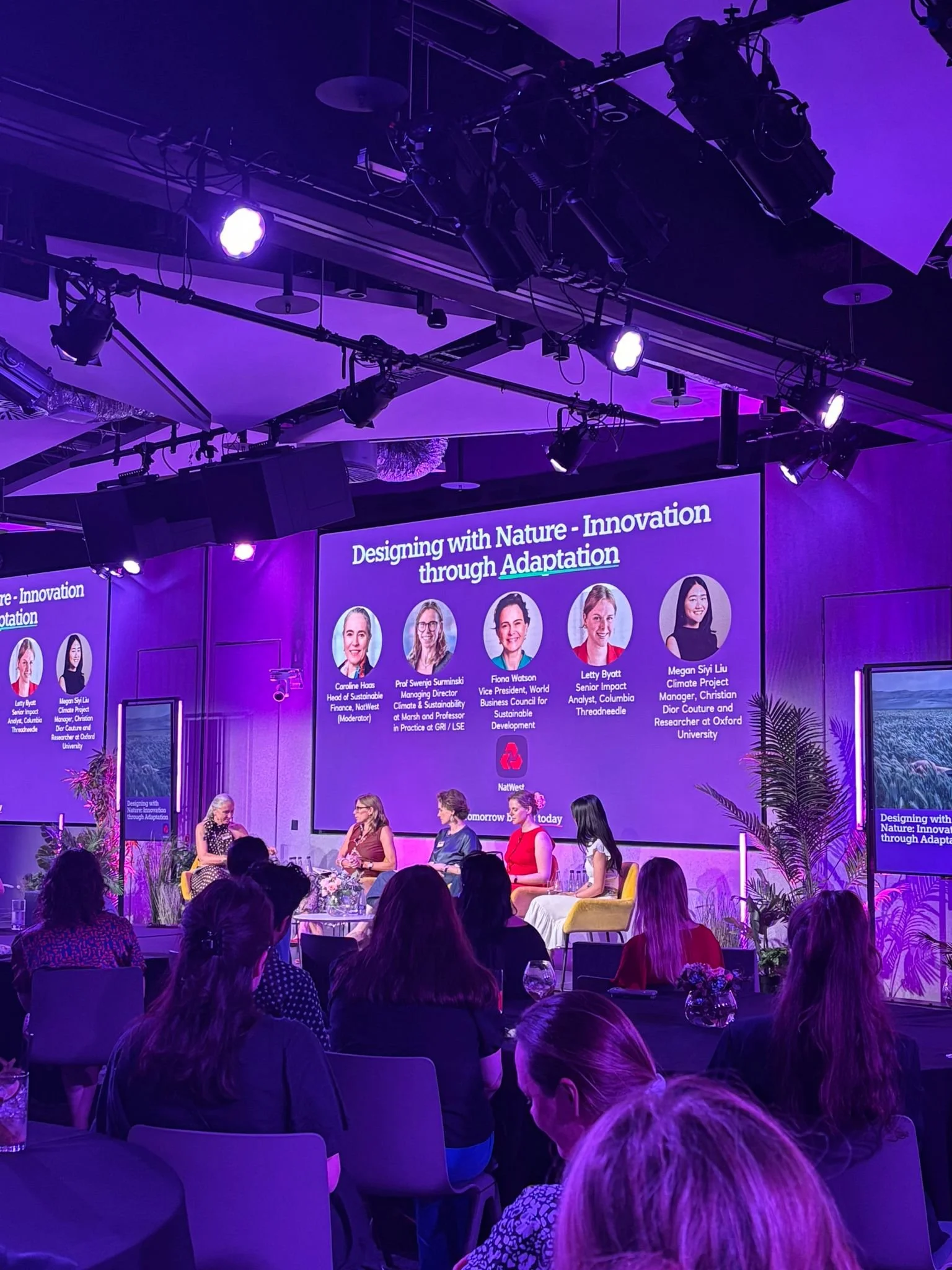
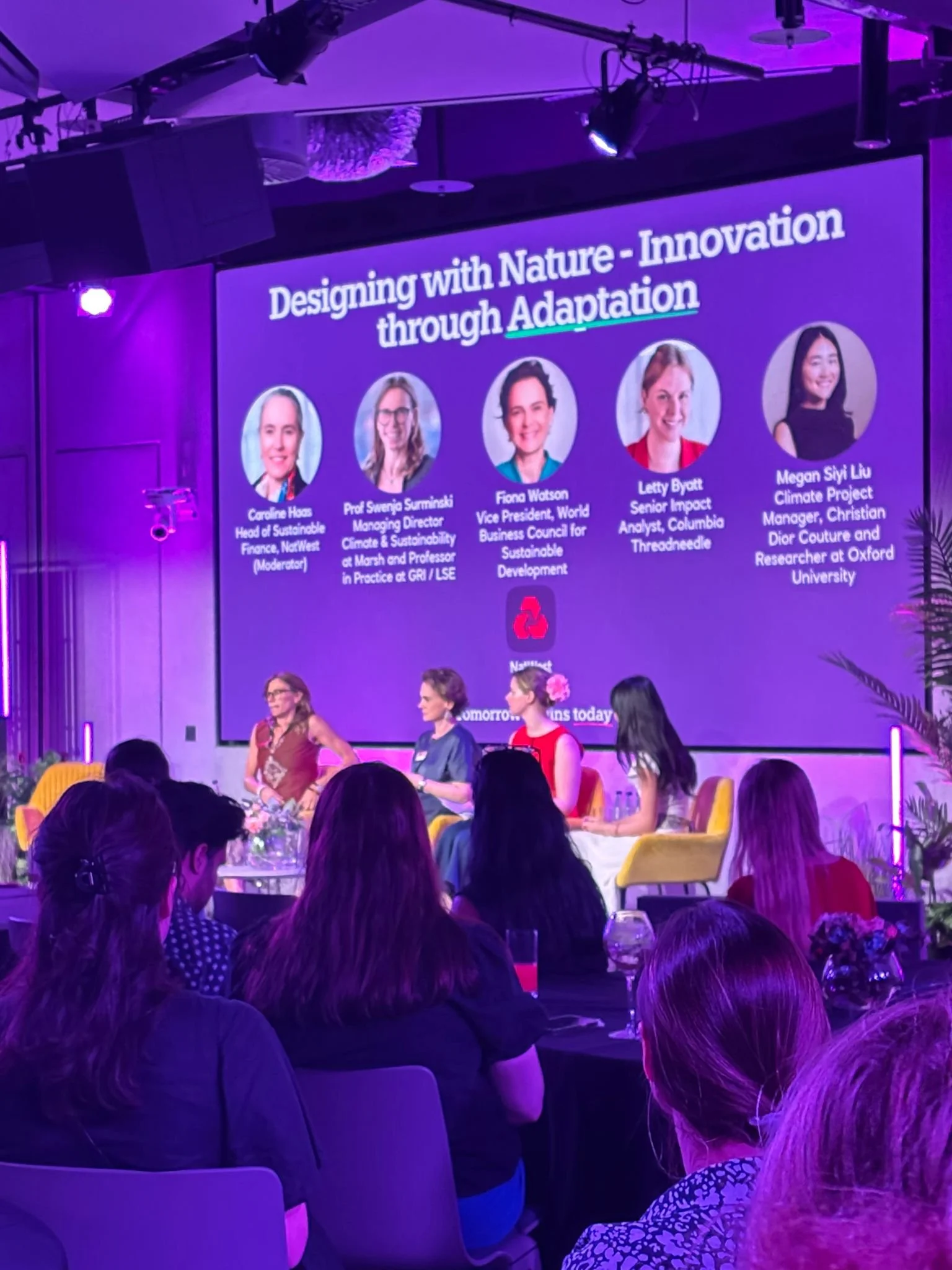
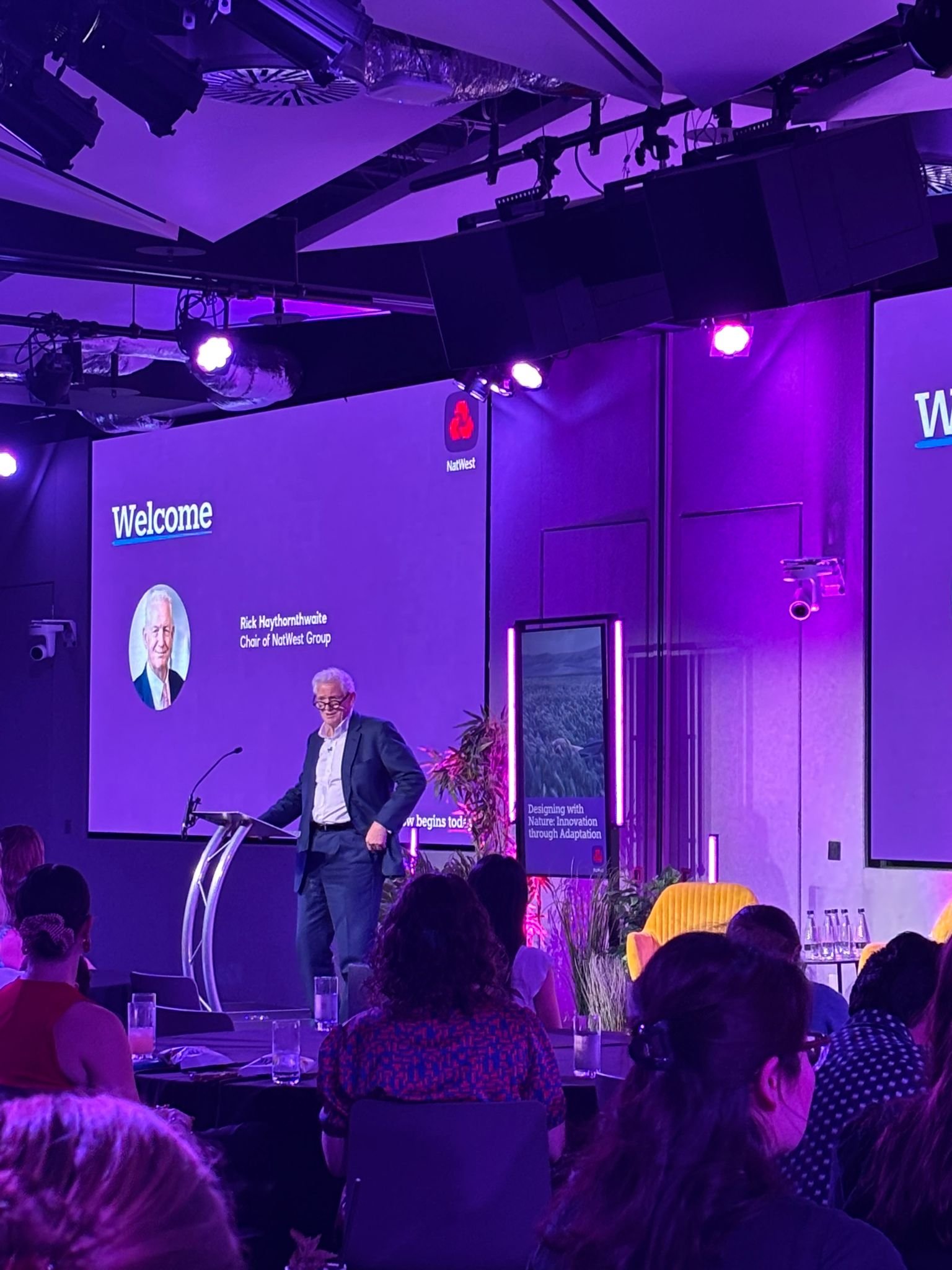
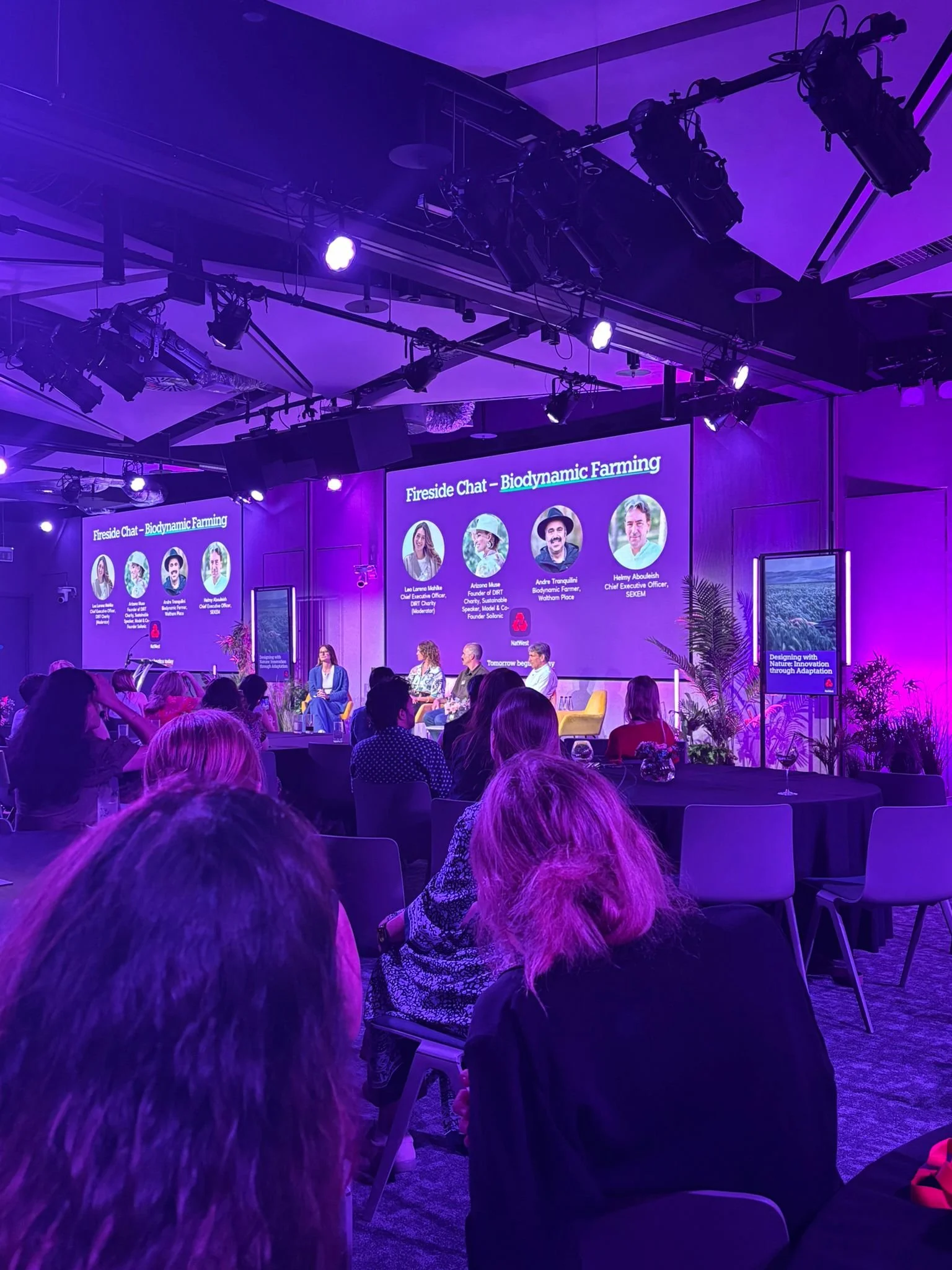
The message of resilience was echoed yesterday at NatWest's fourth annual Women Mobilising Sustainability event, where our co-founders, Jenn and Aisling, joined a room of inspiring women leading sustainability across the financial industry.
Our CEO, Jenn McGarrigle, left the event feeling that we are at the most critical moment we’ve ever been at, stating that:
“Keeping global warming below 1.5°C is at a critical point. We must continue to rapidly reduce emissions if we are to keep that goal within reach. But at the same time, we must recognise that some climate impacts are already unavoidable, making adaptation and resilience planning essential for the future of humanity.
Our future depends on both resilience and adaptation, and only by working together can we tackle what I believe is the defining issue of our generation.”
Thank you to the organisers, speakers and panellists for a realistic and thought-provoking discussion on how, if we work with rather than against our natural systems, they will return the favour and support a sustainable future.
If this week has taught us anything, it's that climate action isn't about preventing tomorrow's challenges, but building the resilience we need to face them.